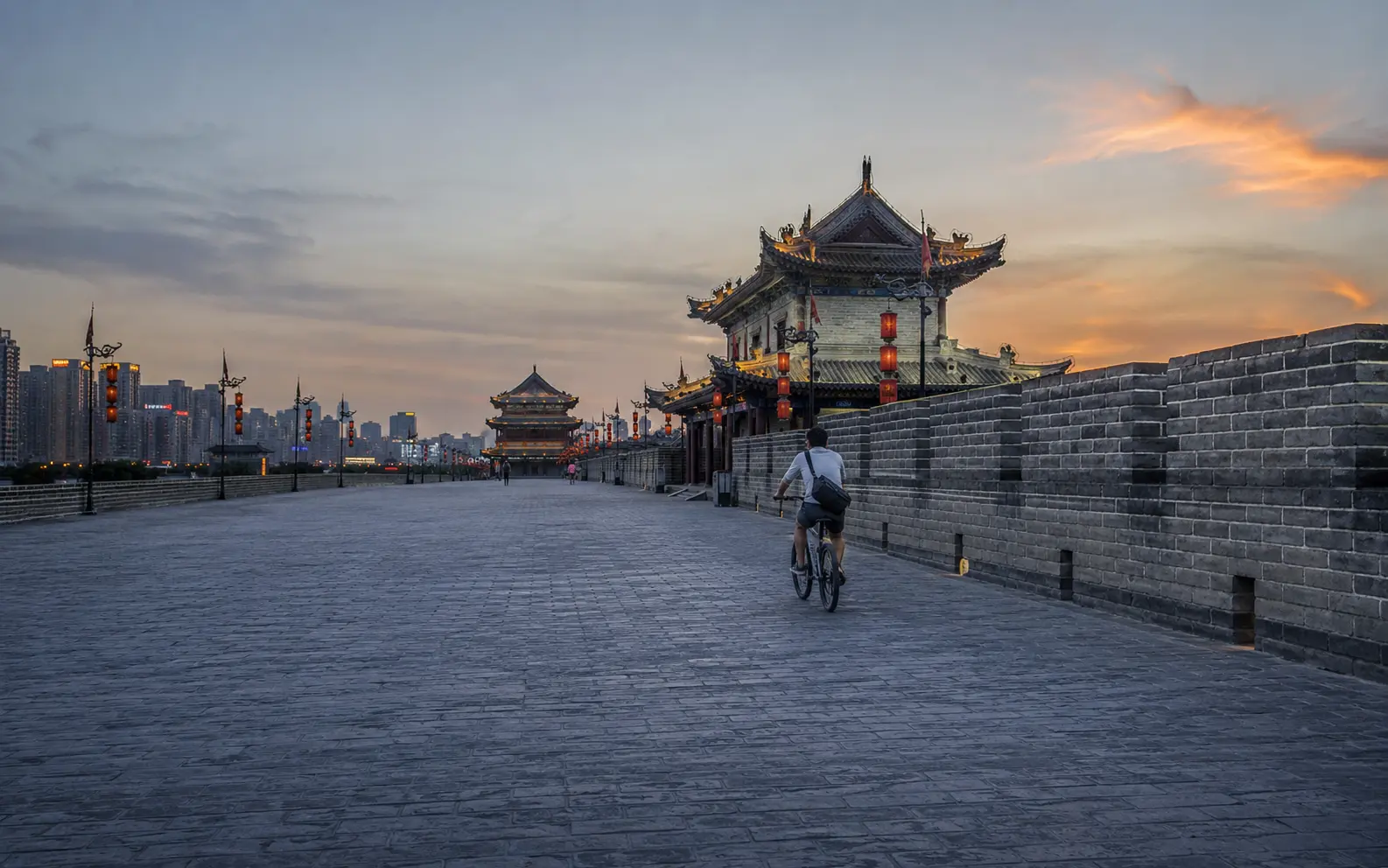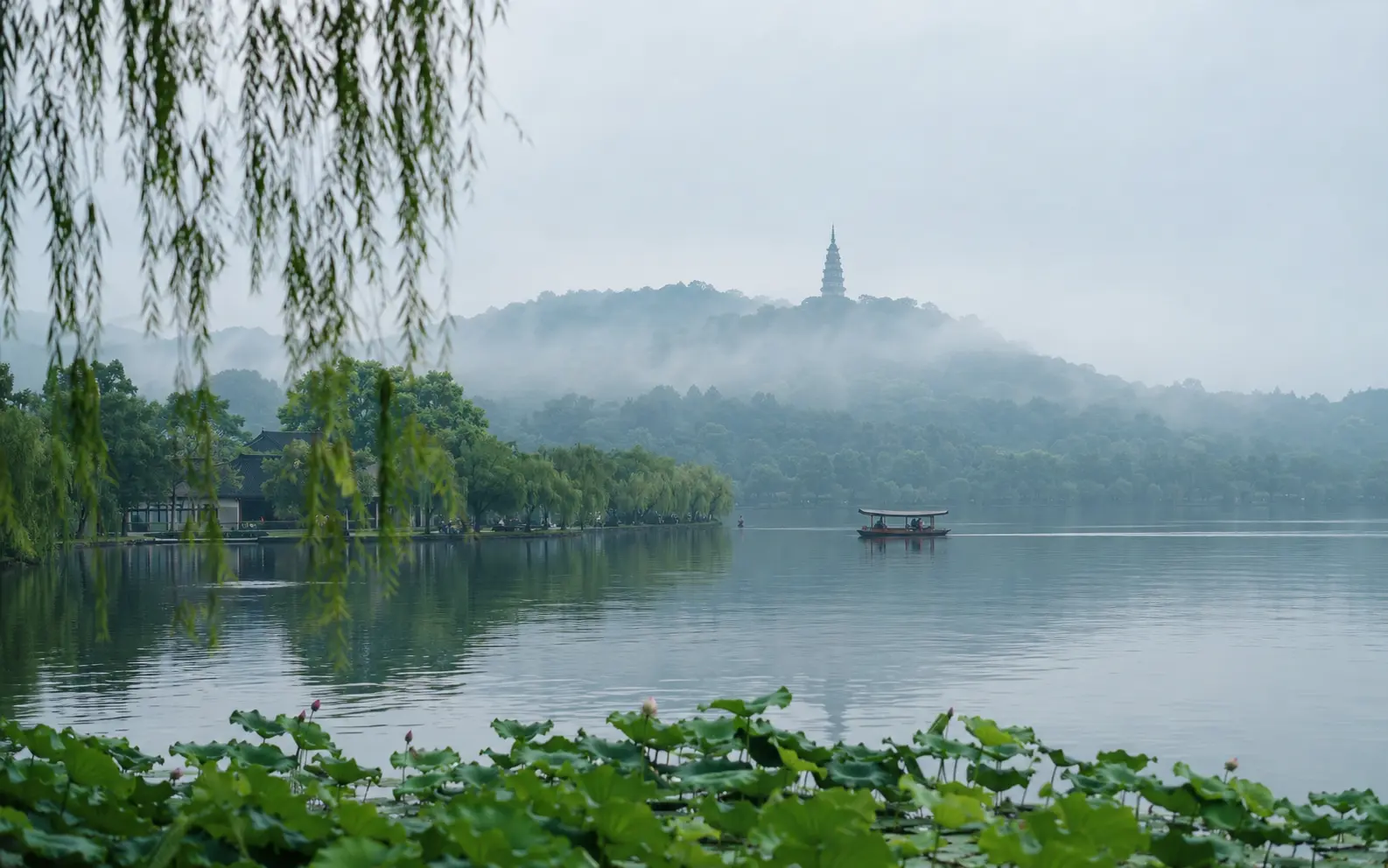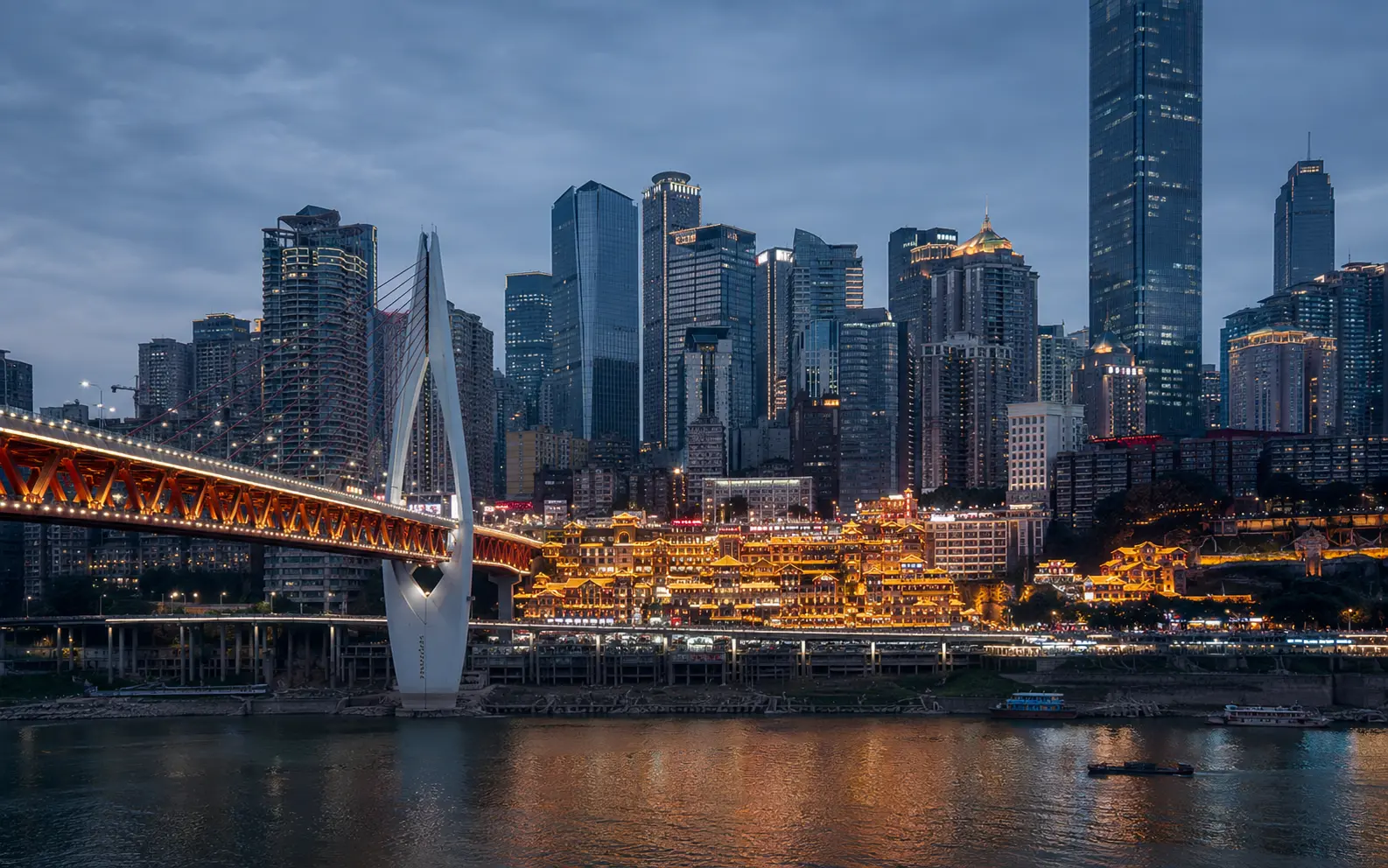
Layer 01 · Imperial Beijing
The ceremonial capital
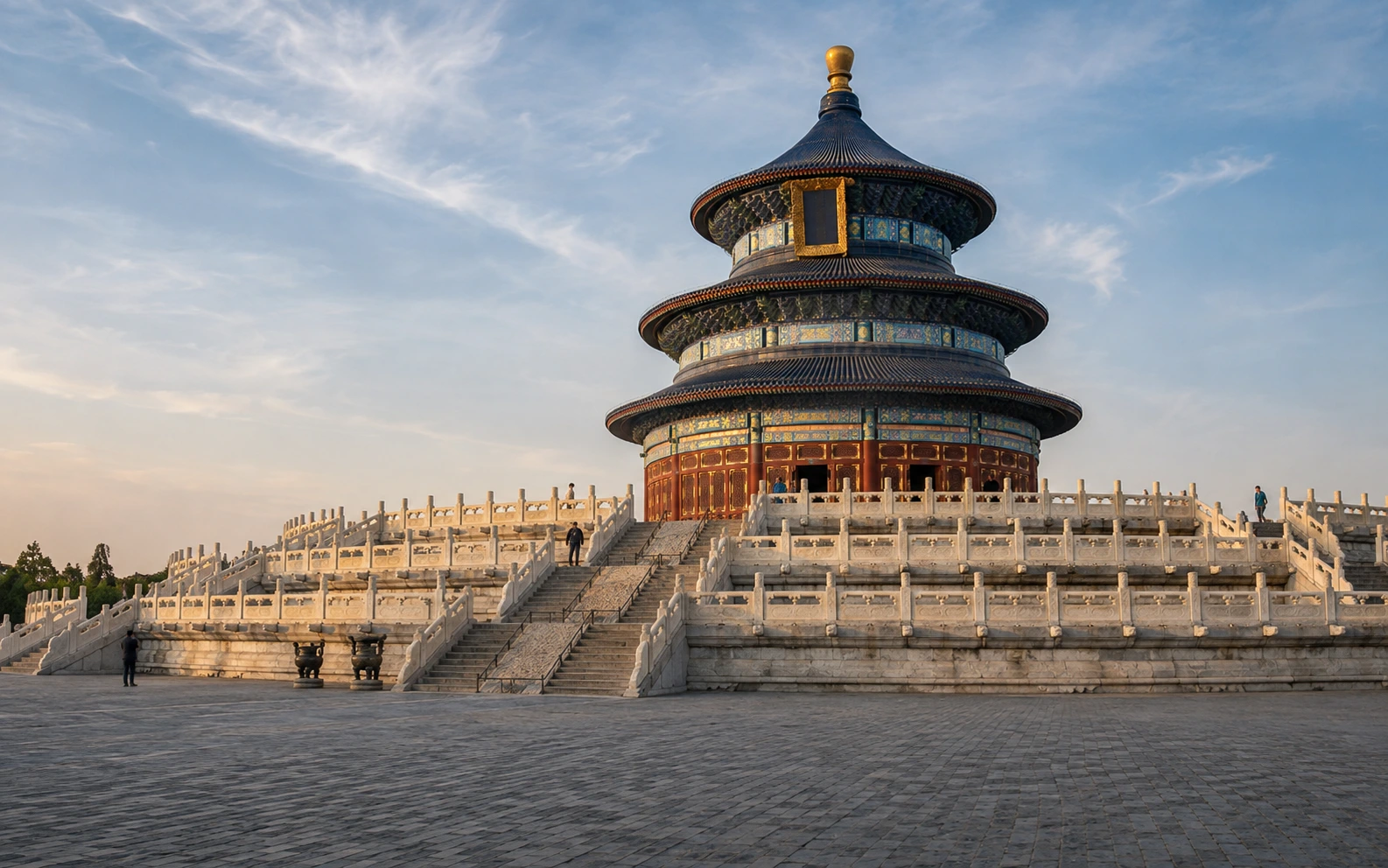
The Forbidden City, Temple of Heaven, Jingshan and royal gardens reveal how architecture, ritual and urban planning shaped the imperial capital.
Beijing · Wuhan
Begin with Beijing's imperial axis, the Great Wall, royal gardens and living hutongs, then travel south by high-speed rail to Wuhan for Yellow Crane Tower, Chu heritage, East Lake and the historic Yangtze riverfront.
 Beijing · Imperial capital
01
The journey
This classic cultural route spends five days in Beijing before continuing by high-speed rail to Wuhan for three days of Jingchu culture and Yangtze city life. The Beijing chapter combines the Forbidden City, Great Wall, Temple of Heaven, Summer Palace, hutongs and historic institutions, while Wuhan adds Yellow Crane Tower, Hubei Provincial Museum, East Lake and the city's concession-era riverfront.
The contrast is the point. You move from the formal geometry of the imperial capital into neighborhood life, gardens and lakes, then arrive in a city where Chu heritage, modern history and the Yangtze remain part of everyday urban identity.
Why you'll love it
Beijing reveals both the monumental and human scale of the capital before Wuhan changes the rhythm again, replacing palace axes and northern hutongs with Chu culture, lakes and the Yangtze.
Layer 01 · Imperial Beijing
The Forbidden City, Temple of Heaven, Jingshan and royal gardens reveal how architecture, ritual and urban planning shaped the imperial capital.
Layer 02 · Living Beijing
Nanluoguxiang, Shichahai, historic shops and hutongs shift the story from emperors and monuments to the everyday fabric of the old capital.
Layer 03 · Wuhan
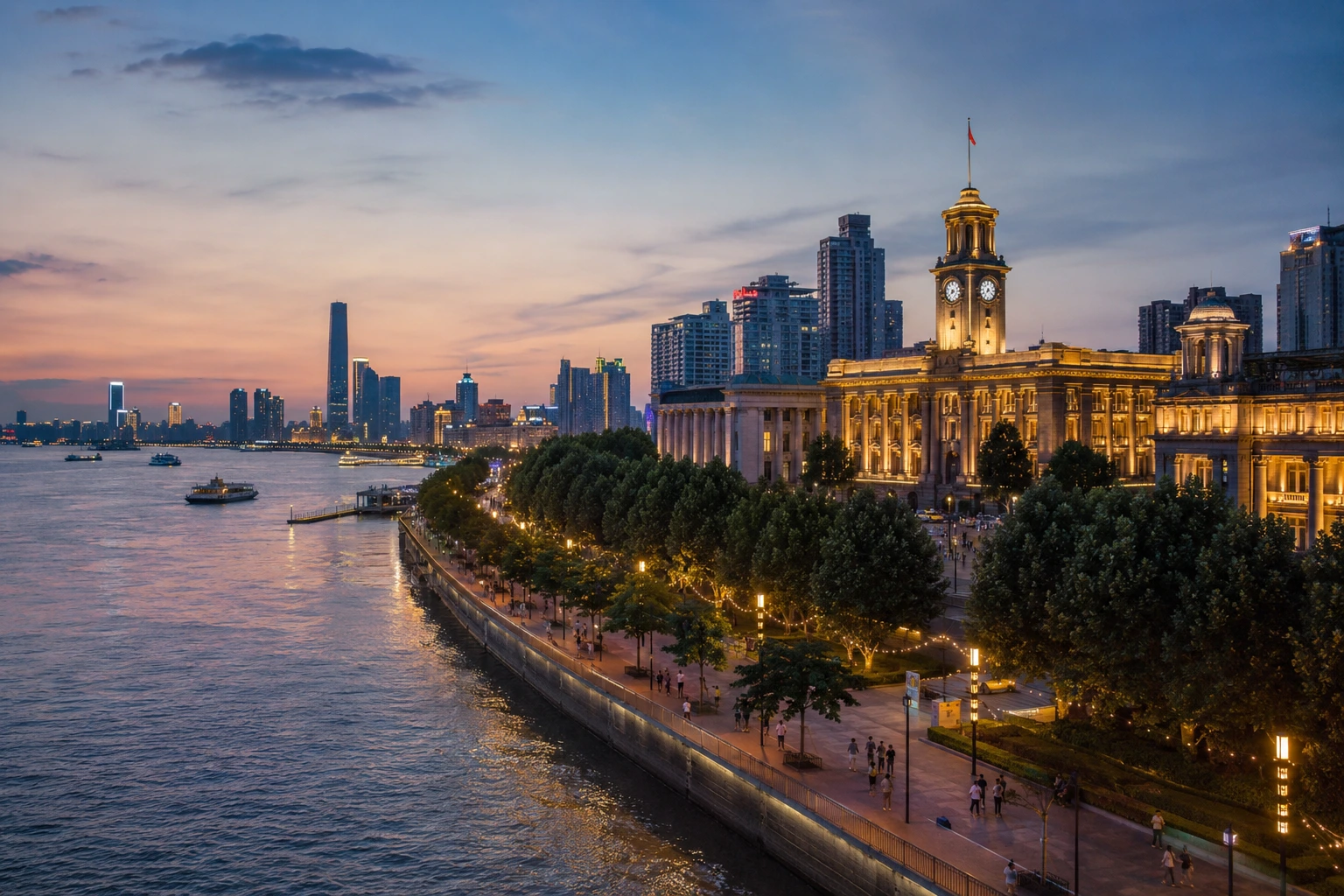
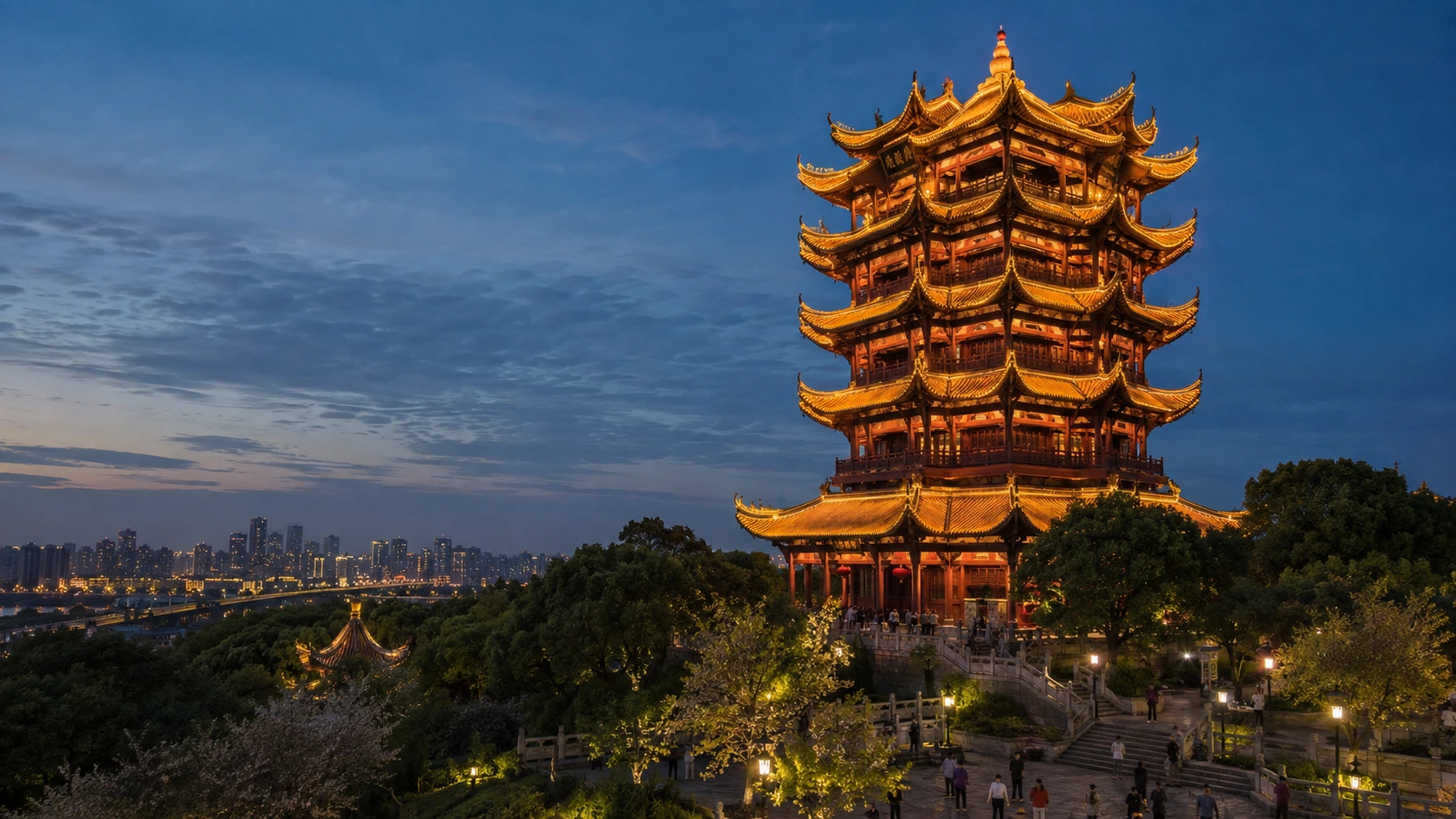
Yellow Crane Tower, East Lake, Chu material culture and historic Hankou place Central China's past inside a confident contemporary metropolis.
Signature experiences
The itinerary balances China's landmark heritage with slower encounters in gardens, hutongs, museums and the urban landscapes of Wuhan.
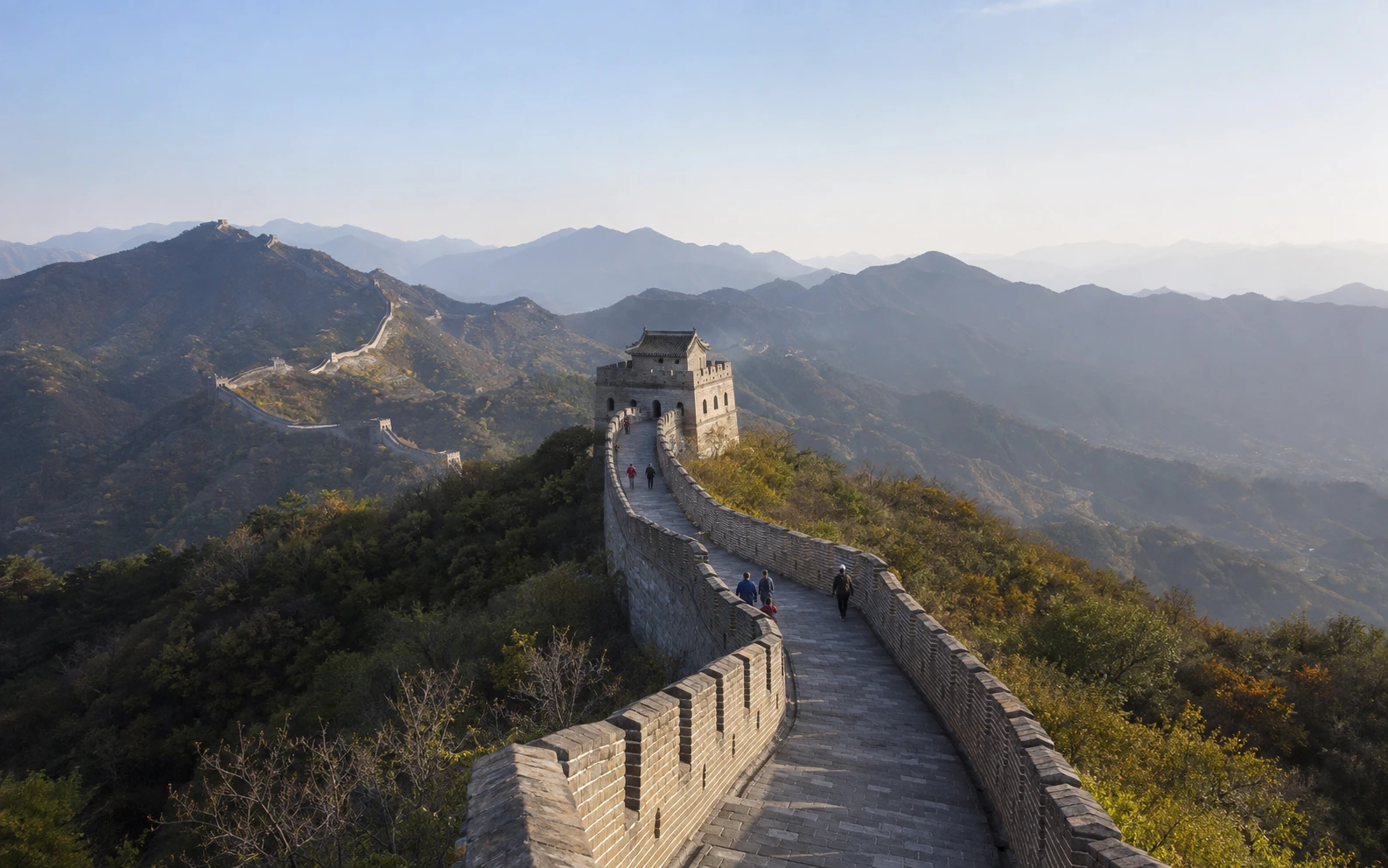
Climb the Badaling section and take in one of China's most recognizable cultural landscapes.
Walk the Summer Palace and experience its garden composition from the water on the scheduled lake boat.
A scheduled rickshaw experience takes you into the smaller-scale streets and historic residential fabric of old Beijing.
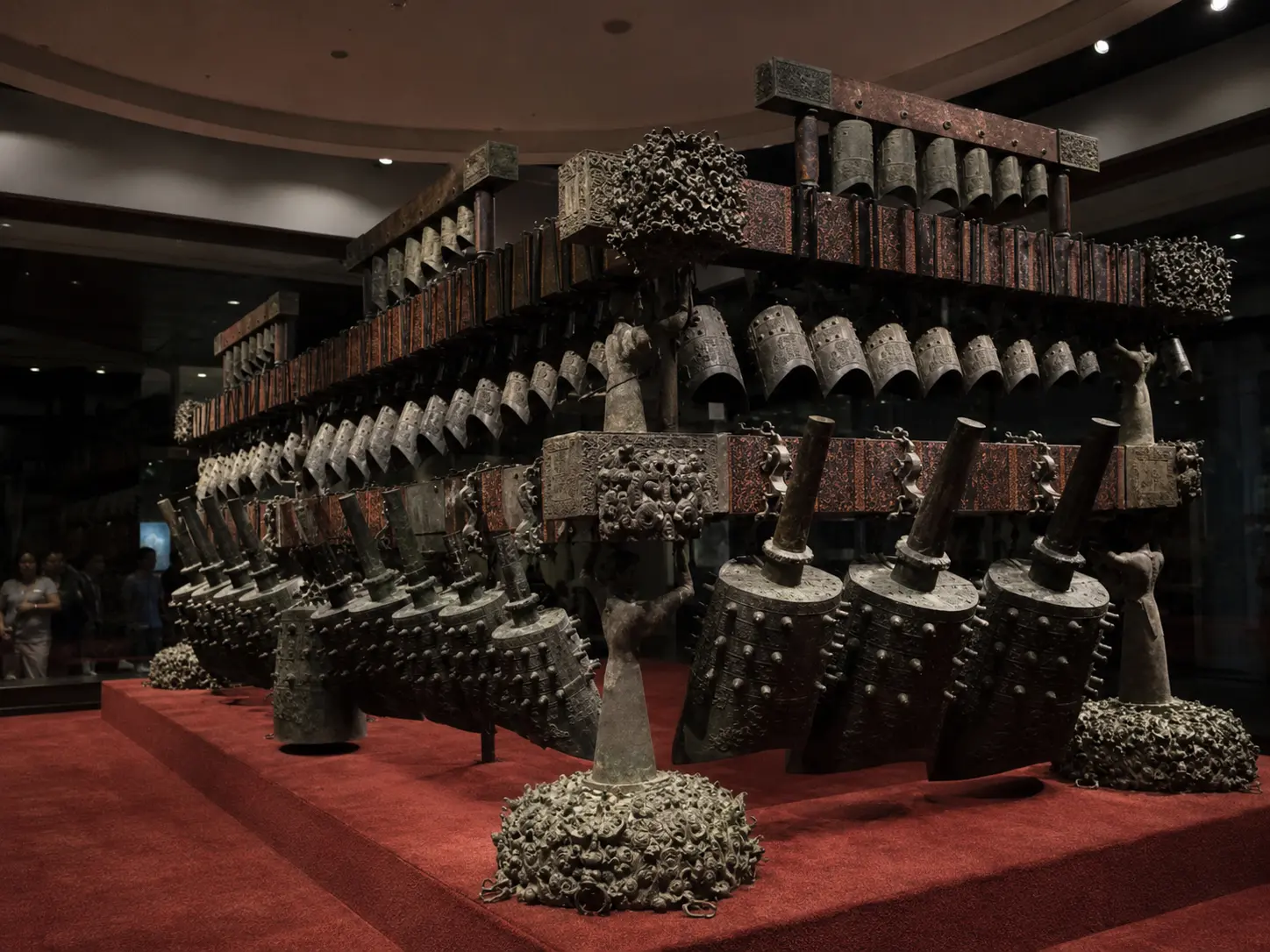
Encounter the Zeng Houyi chime bells and other major objects before the itinerary continues into East Lake's Chu cultural landscape.
Route at a glance
The route uses high-speed rail to make one clear transition: five days in Beijing followed by three in Wuhan, with the rail journey taking approximately four hours.
Begin with the imperial axis and Forbidden City, then widen the Beijing story through the Great Wall, Temple of Heaven, Summer Palace, Nanluoguxiang, Yonghe Temple, the Imperial Academy and Shichahai hutongs.
Day by day
Open any day for the detailed flow. Each section keeps the route easy to scan while preserving the cultural experiences, meals, transfers and local encounters that shape the journey.
Arrive in Beijing from your point of origin, with private airport or railway-station transfer to your hotel and time to settle into the capital.
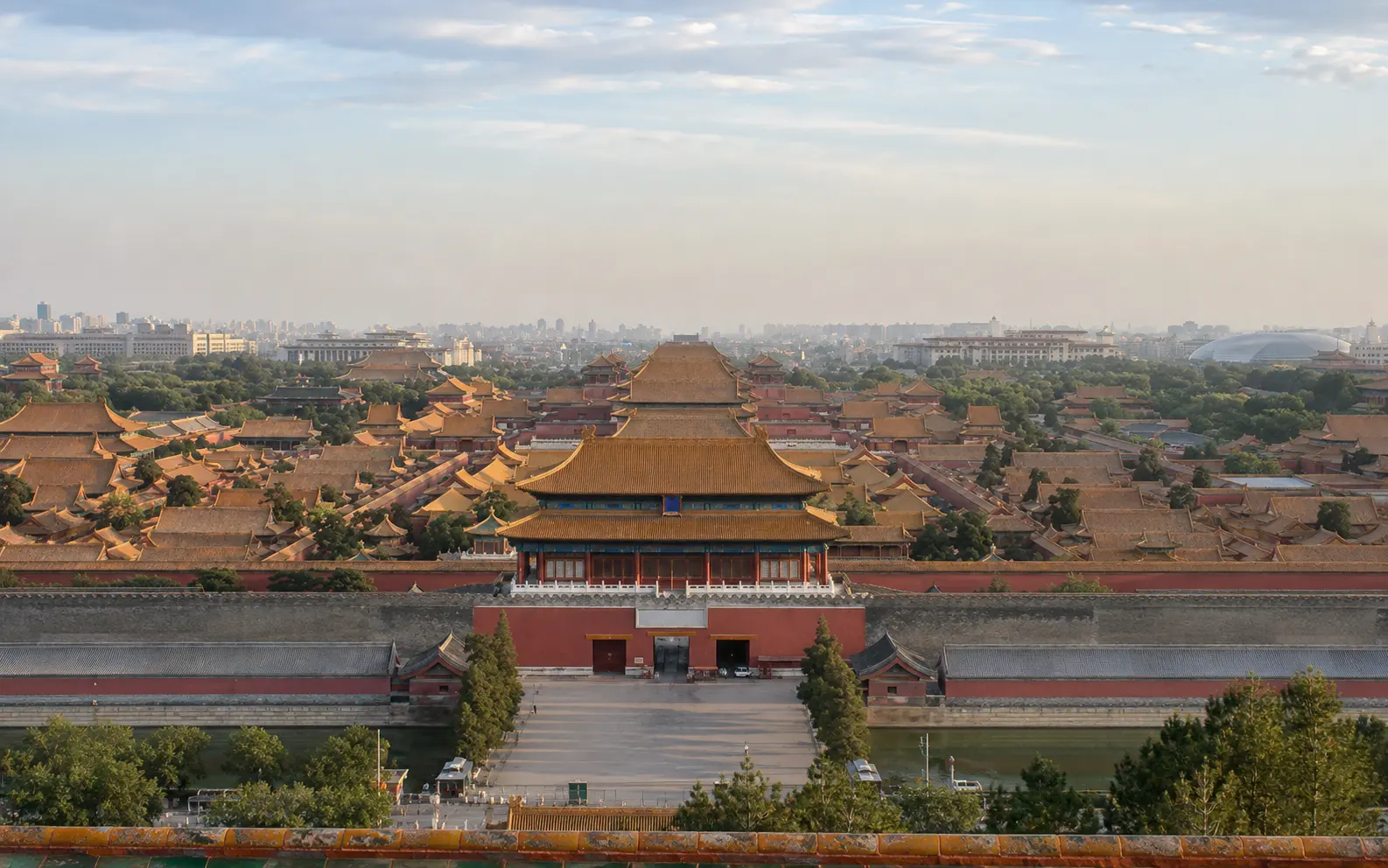
Start from Tiananmen Square, then enter the Palace Museum through Meridian Gate for an in-depth visit of approximately four hours focused on the central axis and the eastern and western palace areas.
Exit through Shenwu Gate and climb to Wanchun Pavilion in Jingshan Park for the panoramic view over the Forbidden City. The evening continues along Qianmen Street, followed by an Old Beijing food experience featuring Peking duck.
Travel to the Badaling Great Wall, climb toward the North Tower and Heroes' Rock, and use the cable car as specified in the itinerary. Return to the city in the afternoon for Olympic Park, where the Bird's Nest and Water Cube provide a striking contemporary contrast to the morning's heritage landscape.
The day concludes with a Beijing-style hot pot dinner.
Visit the Temple of Heaven and its core ceremonial architecture, including the Hall of Prayer for Good Harvests and Echo Wall. Continue to the Summer Palace to walk the Long Corridor, experience its classical garden composition and take the specially arranged boat trip on the lake.
In the afternoon, explore Nanluoguxiang and the surrounding hutong area, where smaller side lanes preserve more of old Beijing's residential character.
Begin at Yonghe Temple, then walk to the neighboring Confucius Temple and Imperial Academy Museum. In the afternoon, continue to Shichahai for the specially arranged rickshaw tour through the hutongs and a visit to Prince Gong's Mansion.
The evening is left for a walk around Shichahai Bar Street or Yandai Xiejie, allowing the day to finish at the more intimate scale of old Beijing's lakes and lanes.
Take the high-speed rail from Beijing West to Wuhan, with an approximate journey time of four hours. After hotel check-in and a short rest, visit Yellow Crane Tower for views across the Yangtze and Wuhan's three urban districts.
Continue on foot to Hubu Alley for Wuhan snacks such as hot dry noodles, doupi and duck neck. The evening ends with a walk around the Wuhan Yangtze River Bridge to watch the river at sunset and the lights on both banks.
Visit Hubei Provincial Museum to see major objects including the Zeng Houyi chime bells, Sword of Goujian and Yunxian human skull fossil. The itinerary also specifies an approximately 30-minute chime-bell performance.
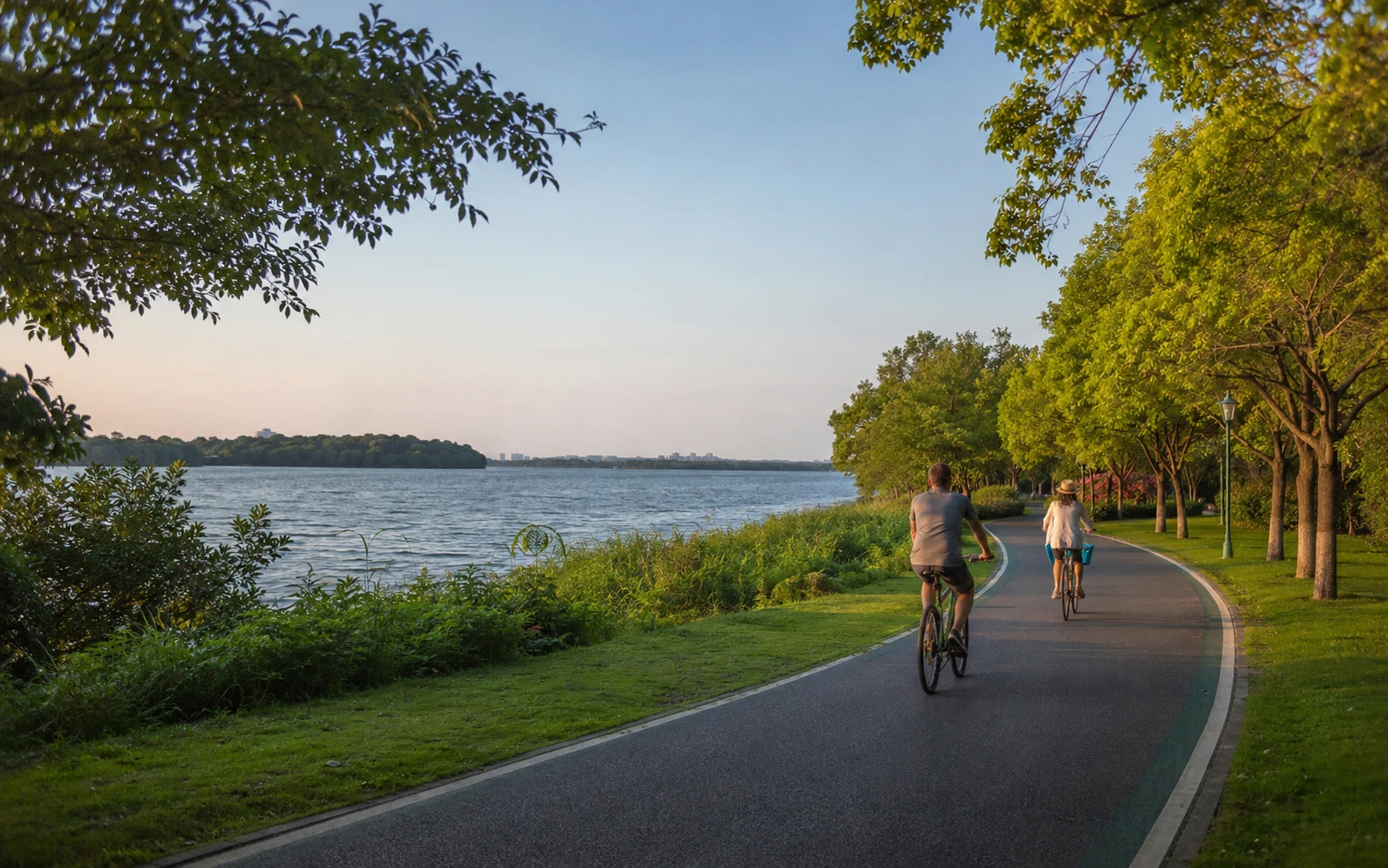
Continue to East Lake Moshan Scenic Area and its Chu cultural landscape, then take the specially arranged greenway cycling segment. In the evening, head to Chu River Han Street for Hubei food and the canal-side night atmosphere.
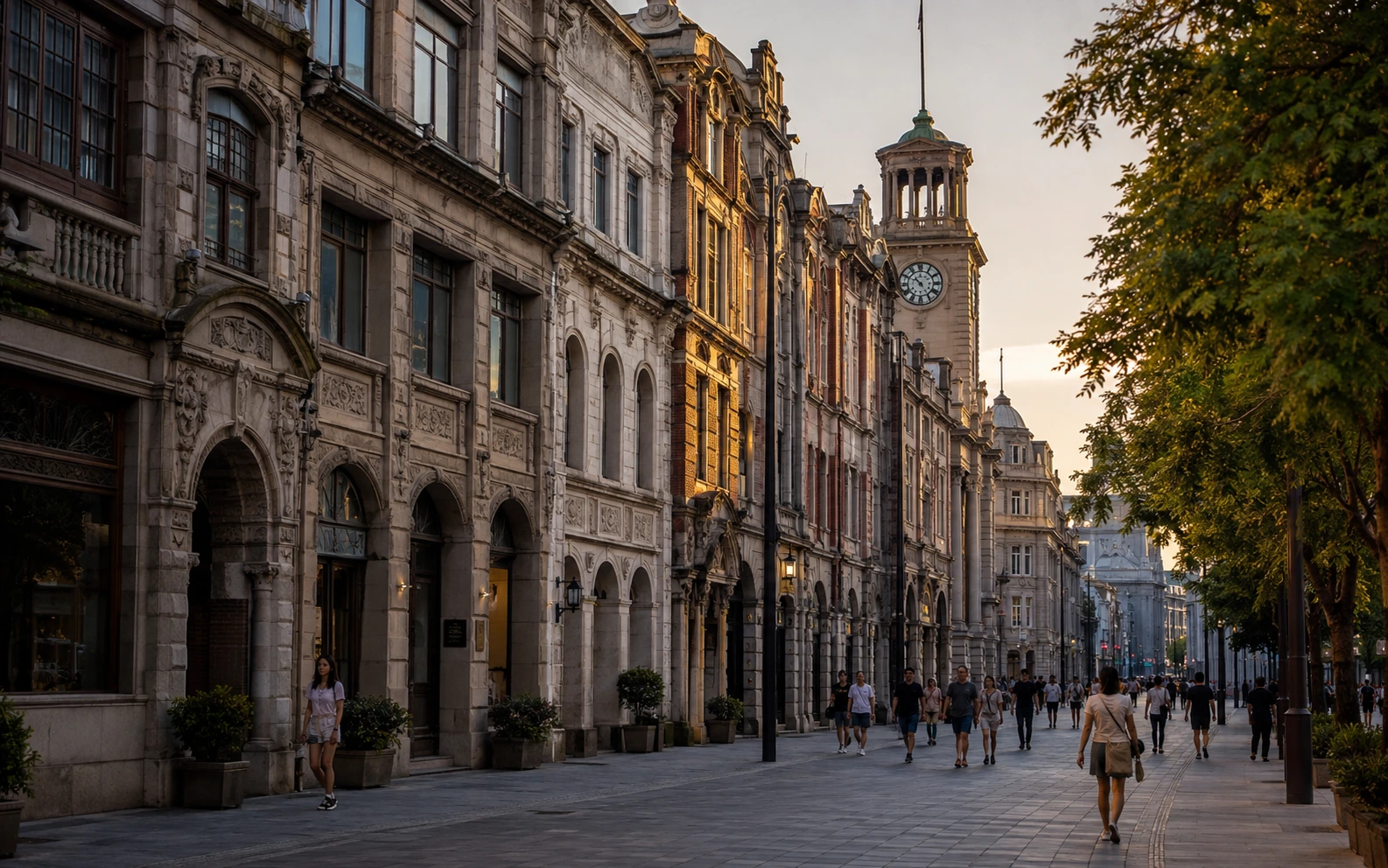
Begin at Guiyuan Zen Temple, then continue to Qingchuan Pavilion and its Ming-Qing Jingchu architectural setting. In the afternoon, cross into the story of modern Hankou through Jianghan Road, Riverside Boulevard, Ba Gong House, Lihuangpi Road and the Jianghan Customs House.
The journey concludes with dinner at Jiqing Street and an introduction to Wuhan's lively street-food culture.
Journey character
The journey is landmark-rich but varied in texture. Long heritage visits and the Great Wall are balanced by royal gardens, hutongs, lakeside cycling, river views and food-focused city time.
Full cultural days with one major intercity rail transition and a mix of monumental and neighborhood-scale experiences.
City walking, Great Wall climbing, garden visits and a cycling segment. Mobility priorities should be shared during planning.
A curated route with scheduled visits and arranged experiences at key stages.
Accommodation preferences are discussed during planning rather than locked into one public tier.
Journey arrangements
The journey already brings together substantial transport, guiding and cultural programming. Your personalized proposal will state the exact service list, availability and accommodation basis for your dates and group.
Make it yours
The Beijing-to-Wuhan route gives you a clear backbone while leaving room to adjust pace, accommodation, free time and the balance between famous landmarks and more local city life.
Extend the capital chapter if you want slower heritage days or additional neighborhoods and museums.
Give more time to East Lake, Jingchu culture, historic Hankou or local food depending on your interests.
Tell us how you feel about Great Wall climbing, cycling and long cultural visits so the daily flow can be adapted.
Accommodation is tailored to your preferences rather than fixed to one public category.
Already have a different Beijing or Central China idea?
Use this route as a starting point or build something completely custom in Plan My Trip.
Your Beijing to Wuhan journey
Share your dates, group size, pace, accommodation preferences and the parts of Beijing and Wuhan you care about most. The planning team will use the complete picture as the starting point for your personalized proposal.