
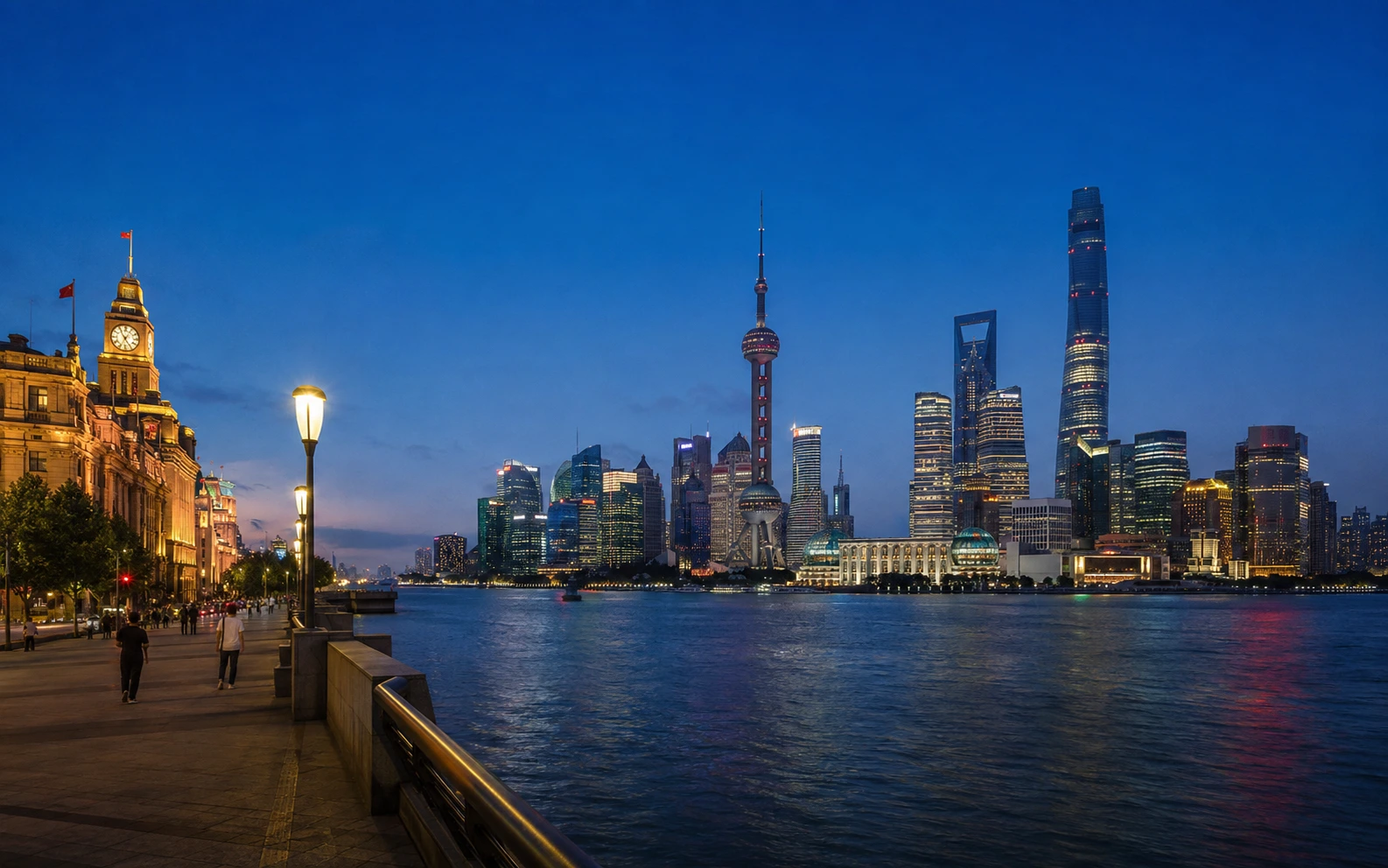
Stage 01 · Shanghai
Metropolis and memory
The Bund, Shanghai Museum, Shikumen lanes, Wukang Road and Zhujiajiao reveal a city shaped by modernity, migration and older Jiangnan traditions.
Shanghai · Hangzhou · Wuhan
Move from Shanghai's layered cityscape into the water, gardens and tea culture of Hangzhou, then continue to Wuhan for the Yangtze and the living heritage of Jingchu.
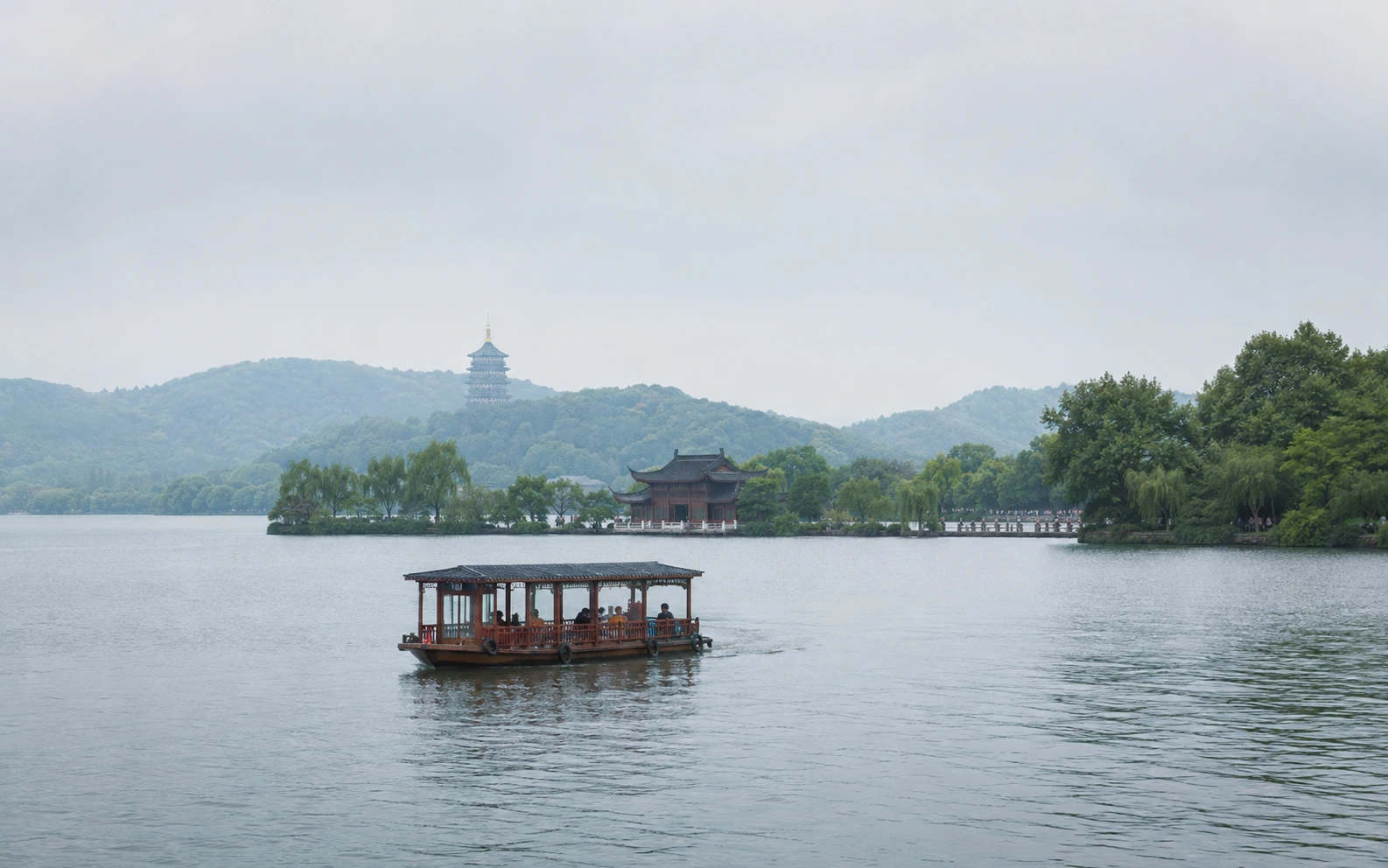
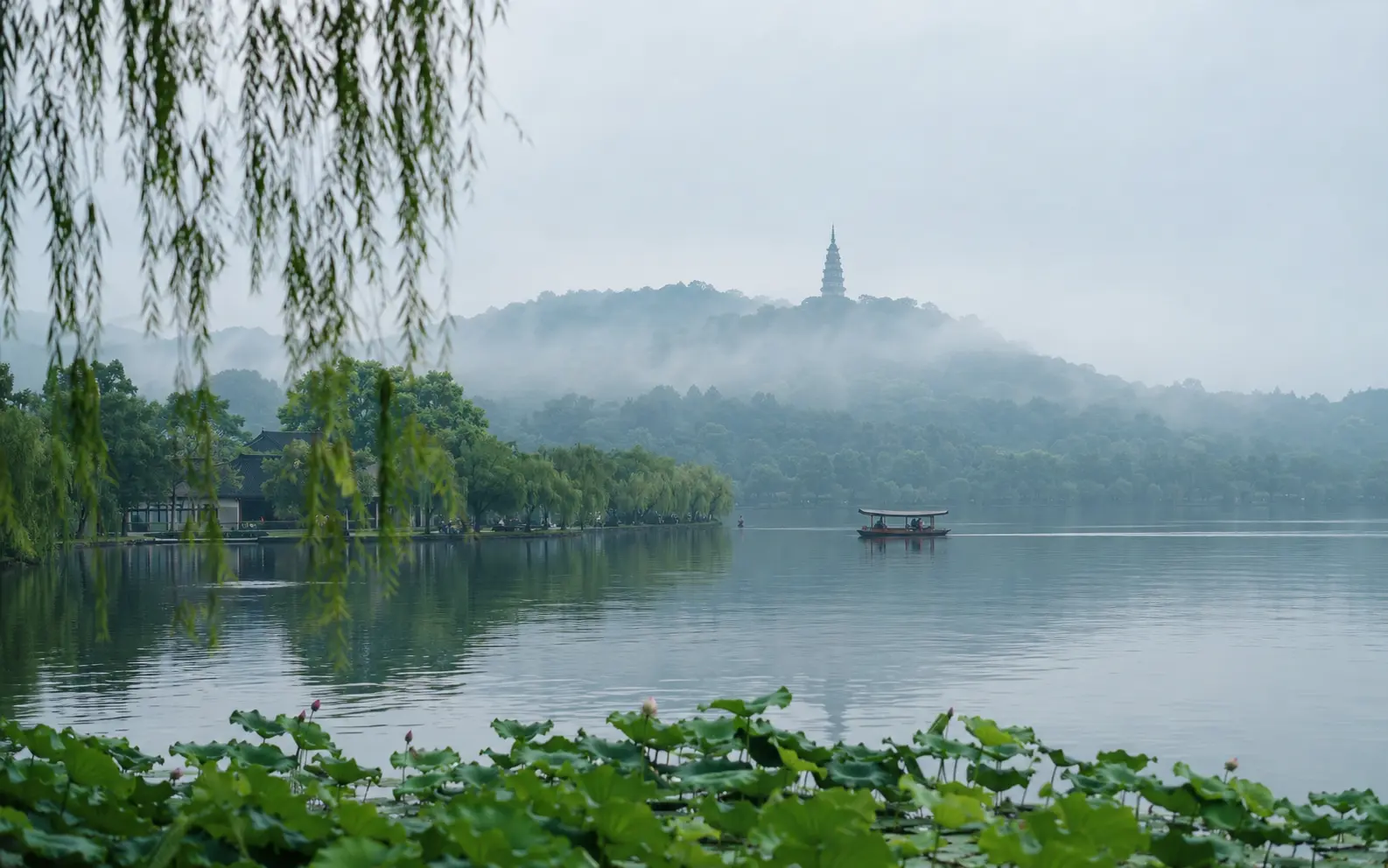 Hangzhou · Ink-washed landscape
01
The journey
Discover Ink-Washed China is an eight-day journey through Shanghai, Hangzhou and Wuhan. Shanghai opens with the Bund, museum collections, Shikumen lanes and the water town of Zhujiajiao. Hangzhou changes the rhythm through West Lake, Lingyin Temple, Liangzhu civilization, Longjing tea country and the Grand Canal. Wuhan completes the route beside the Yangtze with Yellow Crane Tower, Jingchu treasures, East Lake and Guiyuan Temple.
The contrast is central to the experience. Contemporary skylines sit beside historic lanes, Jiangnan waterways give way to tea hills, and the final chapter connects lakes, river culture and ancient material heritage in Central China.
Why you'll love it
Each city changes the visual language of the journey, from Shanghai's urban layers to Hangzhou's poetic landscapes and Wuhan's river-city scale.
Stage 01 · Shanghai
The Bund, Shanghai Museum, Shikumen lanes, Wukang Road and Zhujiajiao reveal a city shaped by modernity, migration and older Jiangnan traditions.
Stage 02 · Hangzhou
West Lake, Lingyin Temple, Liangzhu, Longjing Village and the Grand Canal create the route's most contemplative and landscape-led chapter.
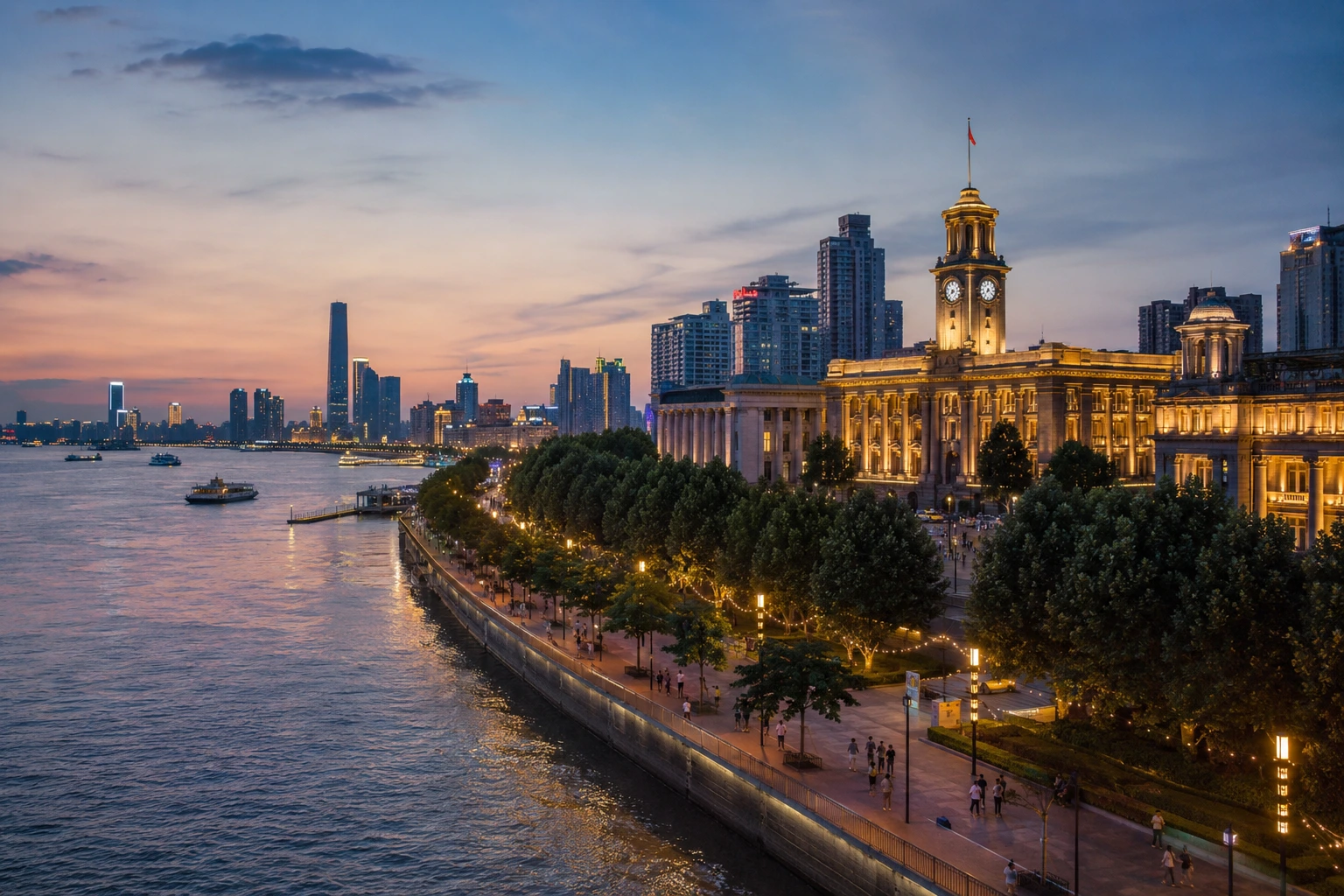
Stage 03 · Wuhan
Yellow Crane Tower, Hubei Provincial Museum, East Lake and the Yangtze place the final days inside a distinctly Central Chinese cultural landscape.
Signature experiences
Rather than moving only between landmarks, this route creates space for waterways, tea, neighborhood texture and cultural collections.
Travel by rowboat through water lanes, old bridges and Ming-Qing streets to encounter Shanghai's quieter Jiangnan side.
Move from the Broken Bridge and Bai Causeway toward Three Pools Mirroring the Moon and the classic West Lake landscape.
Walk the tea hills, visit a tea-farming household, taste local tea and observe traditional pan-firing.
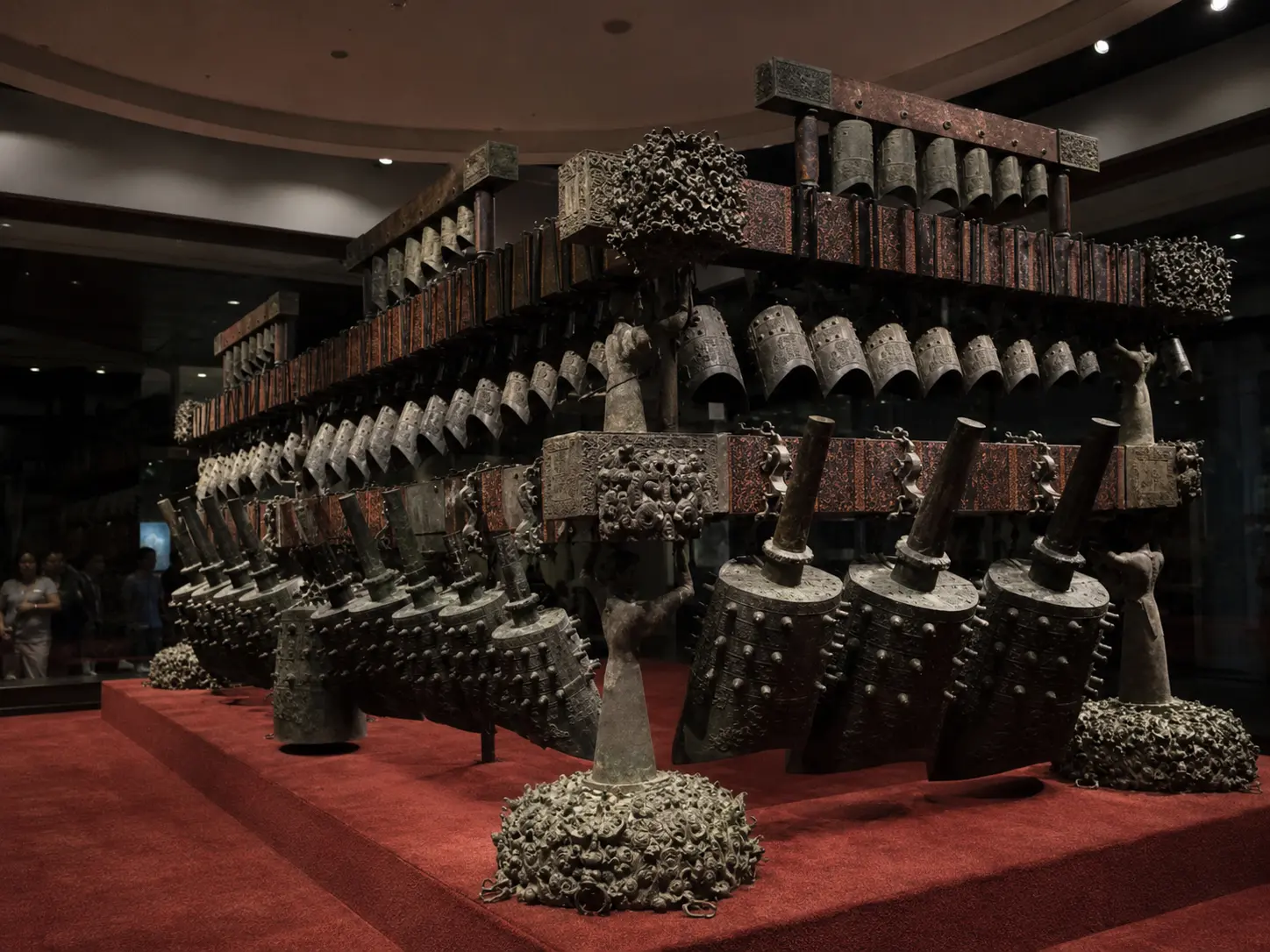
See the Zeng Hou Yi chime bells and other major collections that bring the material culture of ancient Central China into focus.
Route at a glance
The route moves through three distinct city chapters. Shanghai flows into Hangzhou by planned intercity transfer, then Hangzhou connects to Wuhan by high-speed rail for the Central China finale.
Begin at the Bund, Shanghai Museum and Shikumen neighborhoods, then leave the city center for Zhujiajiao's water lanes before returning through the historic streets and plane-tree avenues of Wukang Road.
Day by day
Open any day for the detailed flow. The structure keeps the route easy to scan while preserving the landscape, neighborhood, museum, food and cultural experiences that define each city.
Arrive in Shanghai and check into a hotel near the Bund. If your arrival time allows, walk along Nanjing Road Pedestrian Street before continuing to the Bund around dusk, when the historic waterfront and the Lujiazui skyline begin to illuminate opposite one another.
Dinner can focus on classic Shanghai flavors such as xiaolongbao, braised pork and pan-fried buns near the waterfront.
Begin at Shanghai Museum in People's Square for a broad introduction to Chinese bronze, ceramics, painting, calligraphy and traditional craft. In the afternoon, move into Tianzifang's Shikumen lanes, where small shops, cafés, studios and resident life occupy the same compact urban fabric.
Continue on foot toward Xintiandi, where restored Shikumen architecture shifts into a contemporary dining and evening district.
Travel to Zhujiajiao Ancient Town to see another side of Shanghai through narrow waterways, bridges, Ming and Qing streets, Fangsheng Bridge and Kezhi Garden. Take a traditional rowboat through the canals and sample local snacks along the old streets.
Return to central Shanghai for Wukang Road, known for its historic houses, Wukang Building, literary associations and leafy streets suited to a slower afternoon walk.
Travel to Hangzhou and check into a hotel near West Lake. Begin the classic West Lake route from the Broken Bridge and Bai Causeway, continue toward Pinghu Autumn Moon, cross the lake by boat to Three Pools Mirroring the Moon and finish with panoramic lake views from Leifeng Pagoda.
Later, visit Lingyin Temple for a quieter spiritual atmosphere before ending at Hefang Street, where Southern Song-era street character, traditional shops and local snacks bring the day back into the city.
Begin at Liangzhu Museum, where jade objects and archaeological context introduce the Liangzhu civilization and its place in China's five-thousand-year cultural narrative. In the afternoon, continue to Longjing Village to walk the tea hills, enter a tea-farming household, taste Longjing tea and observe the pan-firing process.
At dusk, travel to the Gongchen Bridge area for an evening cruise along the Beijing-Hangzhou Grand Canal, passing old bridges, traditional waterside buildings and the living urban fabric around this historic waterway.
Take the morning high-speed train from Hangzhou East to Wuhan, with an approximate journey time of five hours. After hotel check-in, visit Yellow Crane Tower for views across the Yangtze and the city's three historic urban districts.
Continue on foot to Hubu Alley to sample Wuhan breakfast foods and regional snacks. At dusk, cross the Yangtze on the public ferry toward Hankou and walk the riverfront as the city lights appear on both banks.
Wuhan · Yangtze riverfrontSpend the morning at Hubei Provincial Museum with collections including the Zeng Hou Yi chime bells, the Sword of Goujian and other major archaeological material. A chime-bell performance is strongly recommended within the museum visit.
Continue to East Lake in the afternoon. Depending on the final arrangement, the itinerary can emphasize the Moshan section, greenway cycling or a sightseeing boat toward the Chu cultural area. The evening continues at Chu River Han Street for dinner and contemporary city atmosphere.
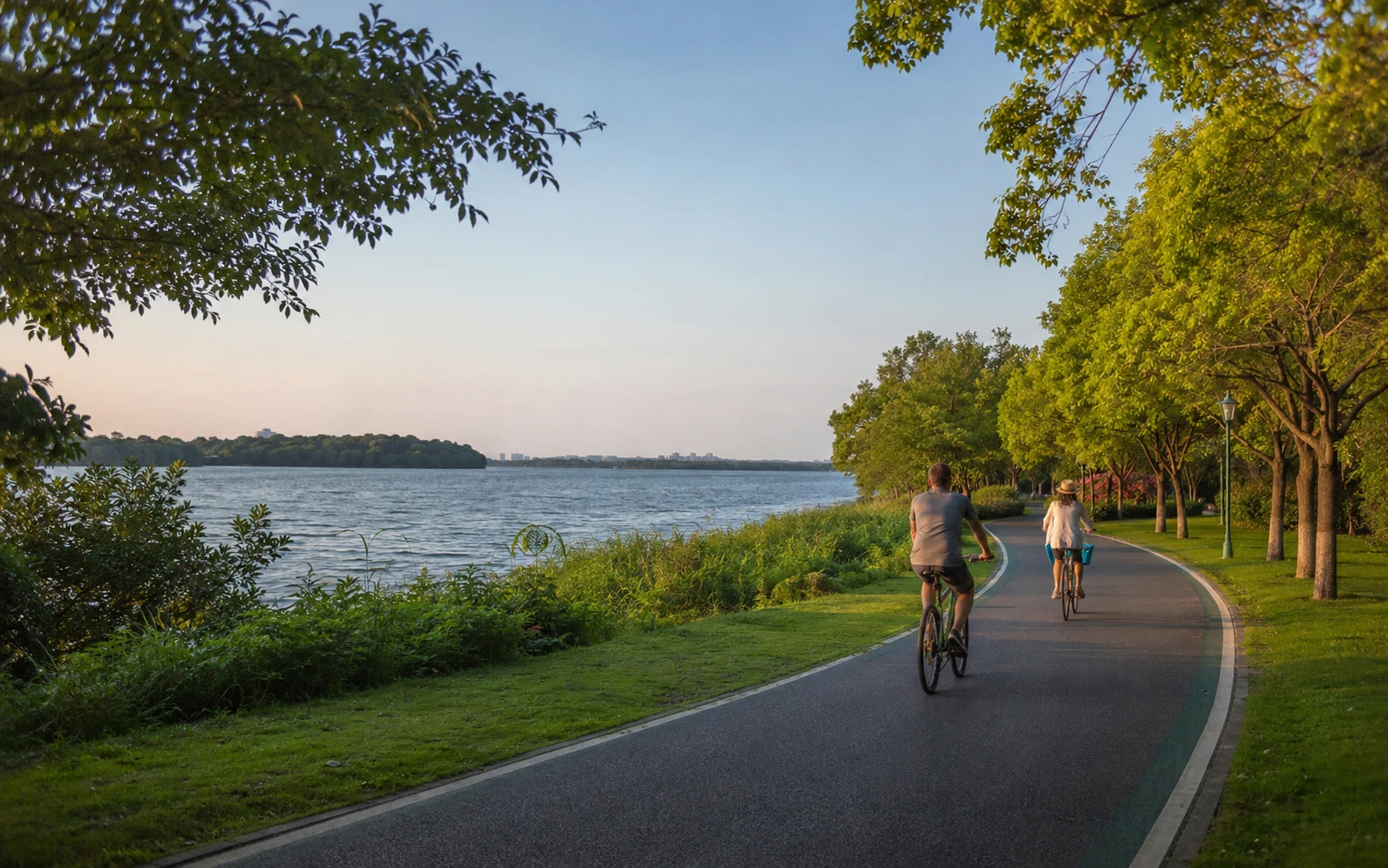 Wuhan · East Lake Greenway
Keep the final morning deliberately light with a visit to Guiyuan Zen Temple, one of Wuhan's major Buddhist monasteries and known for its Hall of Five Hundred Arhats. The visit introduces Buddhist culture as well as the local folk tradition of counting the Arhats.
Continue to the airport according to your flight schedule for departure from Wuhan.
Journey character
The journey moves through three different urban and landscape rhythms. Full cultural days in Shanghai and Wuhan are balanced by waterways, temple spaces, tea country and the slower visual pace of Hangzhou.
Structured cultural days are offset by scenic walks, water experiences and calmer moments around Hangzhou and East Lake.
Expect regular city walking, a water-town visit and optional cycling elements, without sustained mountain trekking.
A curated multi-city route with planned intercity movement and room to adjust how each destination is experienced.
Accommodation preferences are discussed during planning rather than locked into one public category.
Journey arrangements
The route combines accommodation planning, intercity movement and scheduled cultural experiences. Your personalized proposal will state the exact service list for your dates and group.
Make it yours
Shanghai, Hangzhou and Wuhan create a clear route, but the amount of museum time, local food, tea culture, free time and scenic pacing can be shaped around the way you prefer to travel.
Add more time for neighborhoods, contemporary culture, shopping or museums before moving toward Hangzhou.
Create more breathing room around West Lake, tea country and temple landscapes instead of compressing the scenic chapter.
Increase the emphasis on Shanghai flavors, Longjing tea and Wuhan's breakfast and regional food culture.
Use Wuhan as the gateway to continue deeper into Hubei if you want the trip to move beyond the three-city route.
Already have another Shanghai, Hangzhou or Central China idea?
Use this journey as a starting point or build something completely custom in Plan My Trip.
Your Shanghai, Hangzhou and Wuhan journey
Share your dates, group size, preferred pace, accommodation style and which parts of city culture, water landscapes, tea and heritage matter most. The planning team will use the complete picture as the starting point for your personalized proposal.