
Stage 01 · Wuhan
River city opening
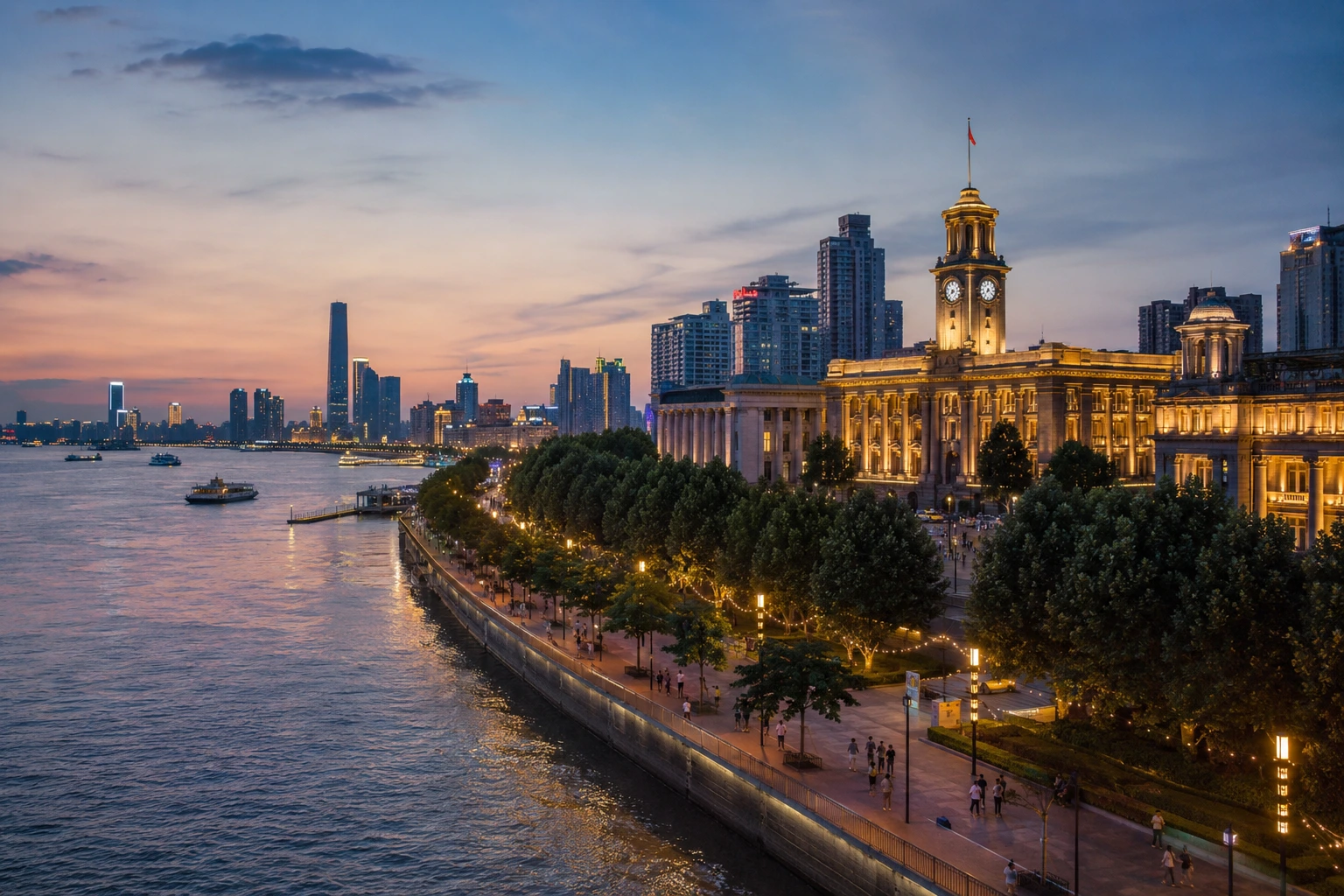
Local breakfast, East Lake, Yellow Crane Tower and a ferry crossing establish the Yangtze before the journey turns west.
Wuhan · Yichang · Shennongjia · Wushan · Enshi
An eight-day route into western Hubei, moving from Wuhan to the Three Gorges, Shennongjia's highlands and wetlands, Wushan gorge country and Enshi's dramatic karst landscapes.
 Western Hubei · 30° North
01
The journey
30° North begins in Wuhan before turning west toward Yichang and the Three Gorges. From there, the road climbs into Shennongjia, where forest trails, highland scenery and Dajiuhu wetlands create a very different side of Central China.
The second half follows the river landscapes around Shennong Stream and Wushan, then continues through Baidicheng and Suobuya Stone Forest before finishing with a full day inside Enshi Grand Canyon.
Why you'll love it
Start beside the Yangtze in Wuhan, climb into Shennongjia's highland ecosystems, then follow gorge country toward Wushan and Enshi.
Stage 01 · Wuhan
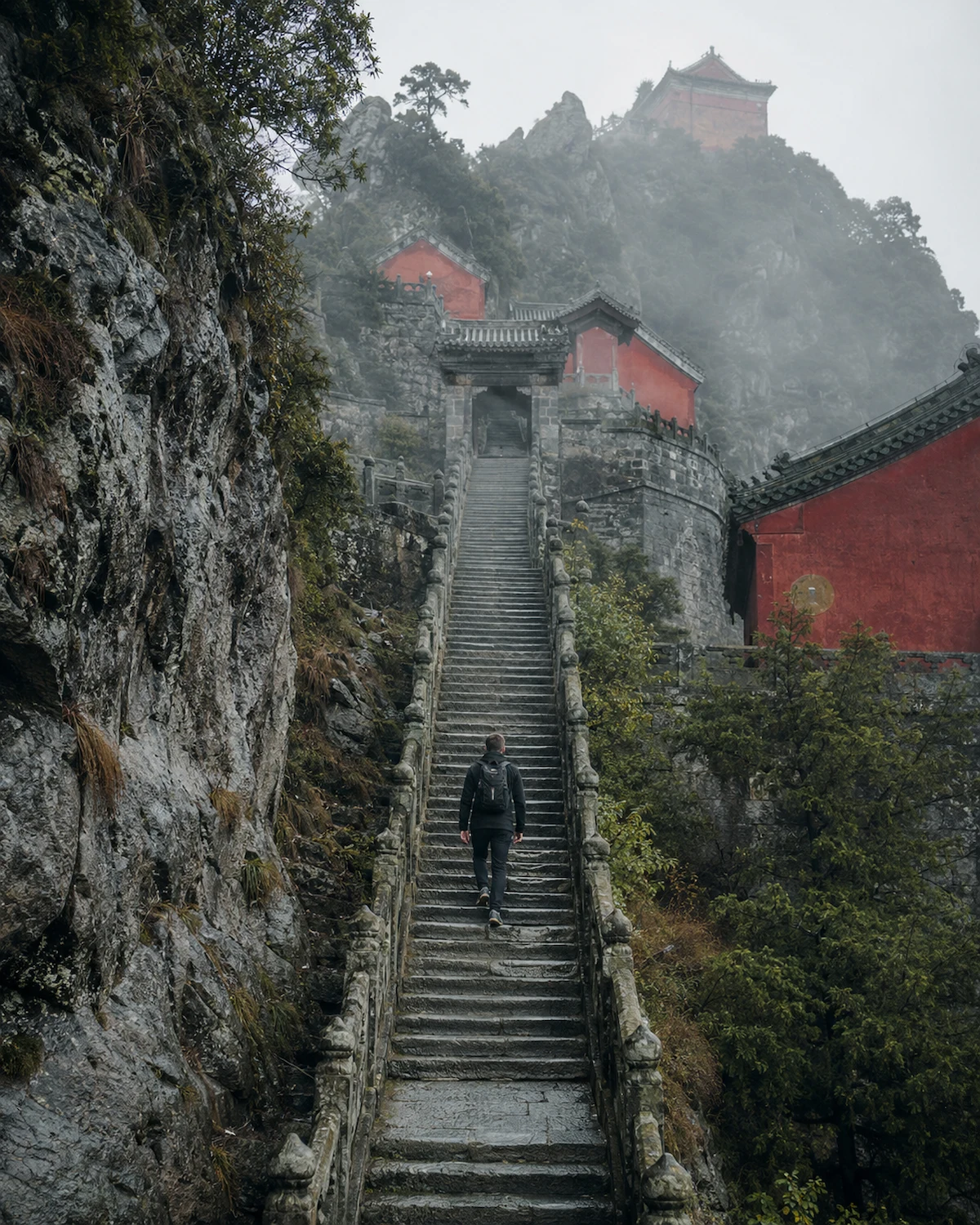
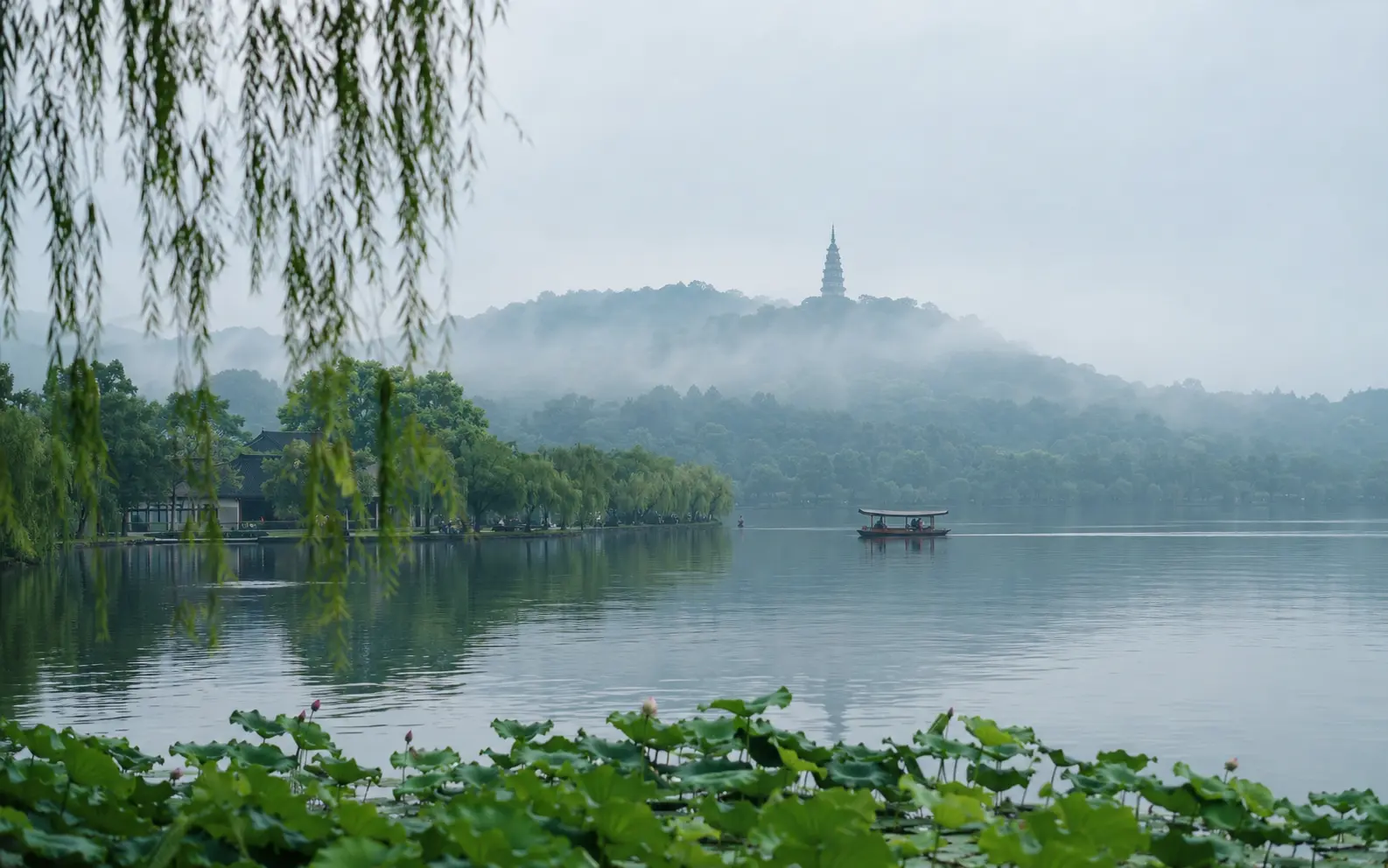
Local breakfast, East Lake, Yellow Crane Tower and a ferry crossing establish the Yangtze before the journey turns west.
Stage 02 · Shennongjia
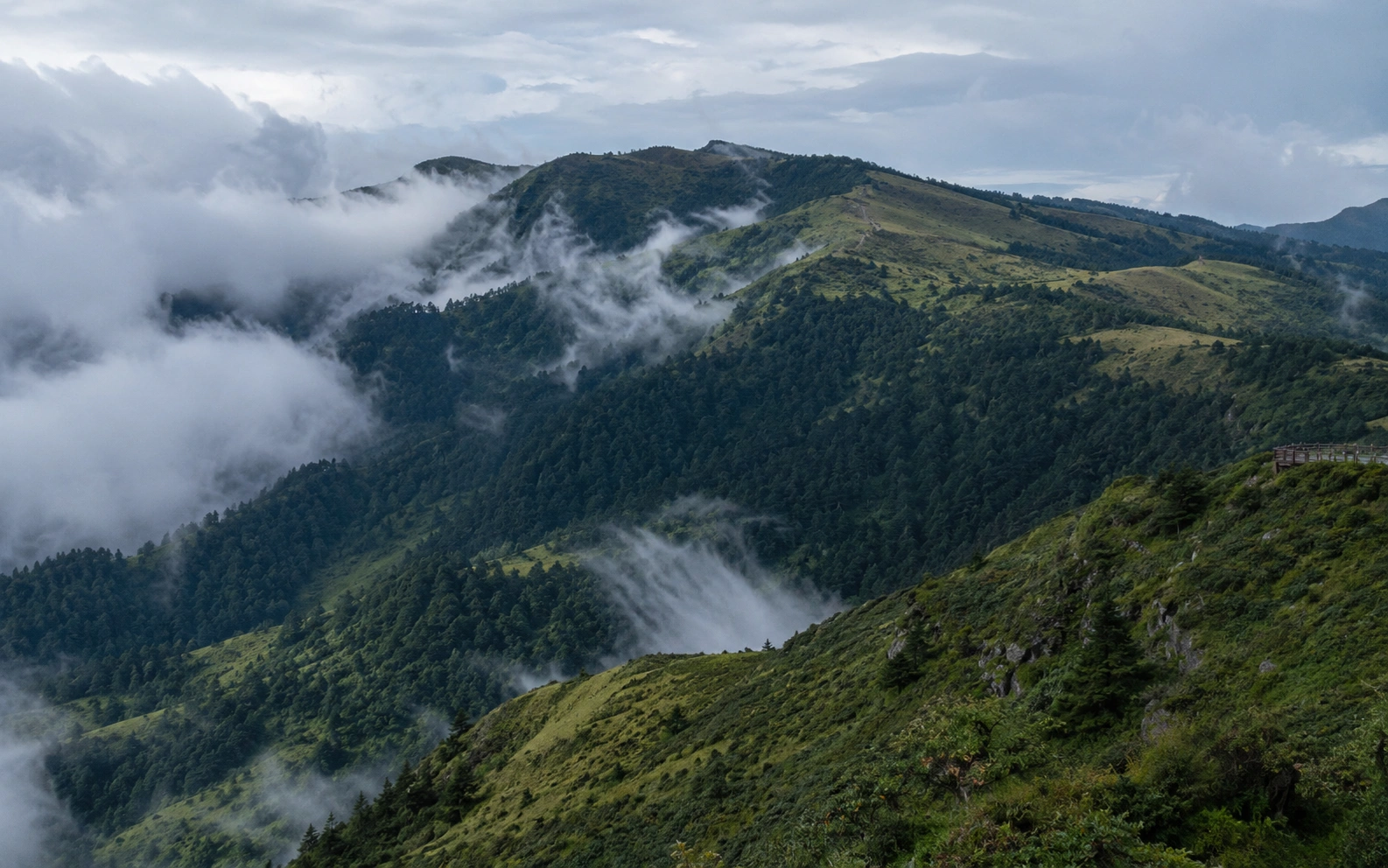
Shennong Altar, Shennongding and Dajiuhu move the route into cool forests, alpine scenery and high-mountain wetlands.
Stage 03 · Wushan + Enshi
Shennong Stream, Wuxiakou, the Lesser Three Gorges, Suobuya and Enshi Grand Canyon bring the route to its most dramatic landscapes.
Signature experiences
The route is defined by scale: highland forests, misty wetlands, narrow tributary gorges and immense karst walls.
Move through high-mountain meadows, fir forest and cloud-wrapped peaks inside the Shennongding scenic area.
Travel along Shennong Stream by traditional small wooden boat while learning about the tracker culture linked to the Three Gorges.
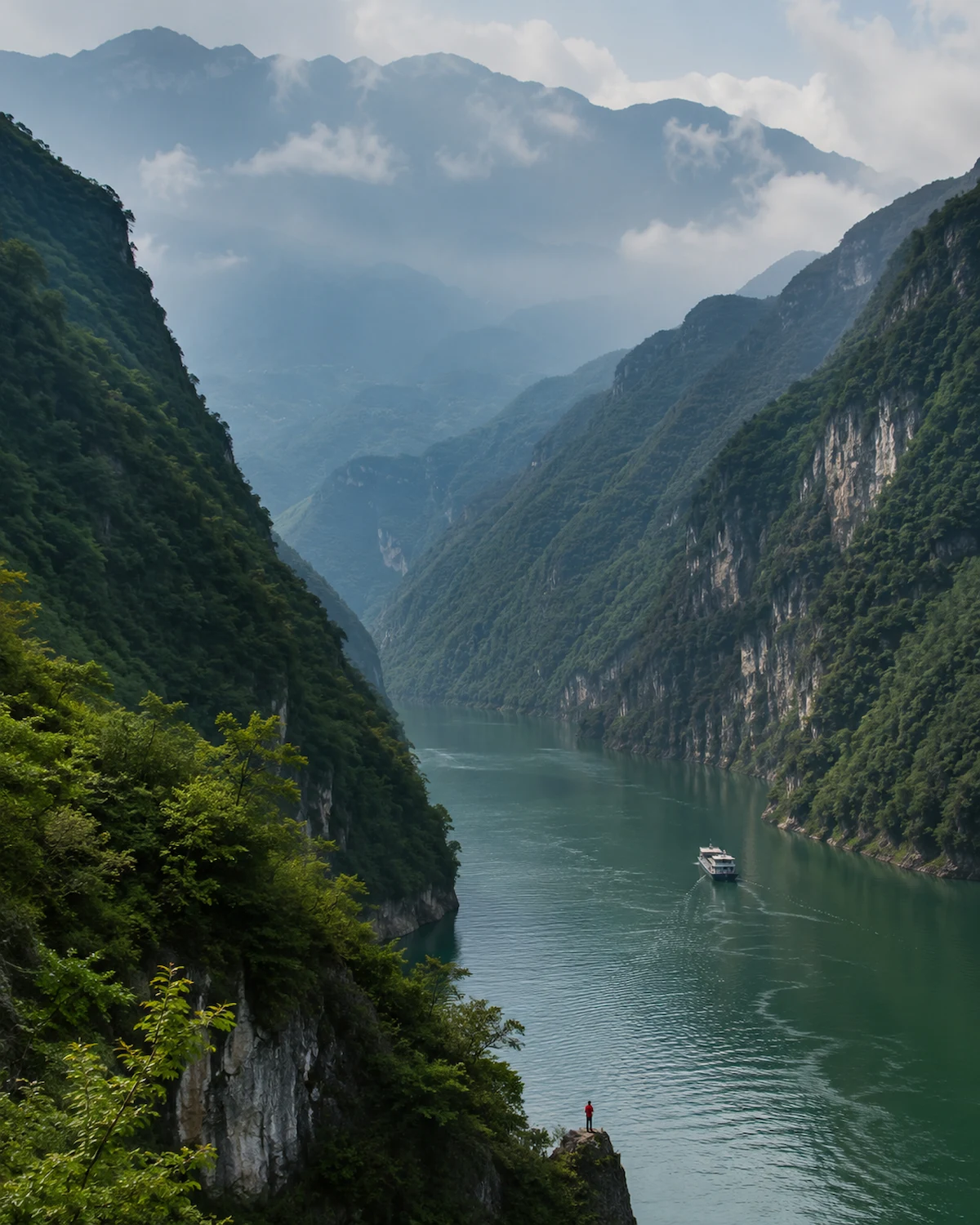
Travel through Longmen, Bawu and Dicui gorges, with green water, steep karst peaks and riverbank wildlife along the route.
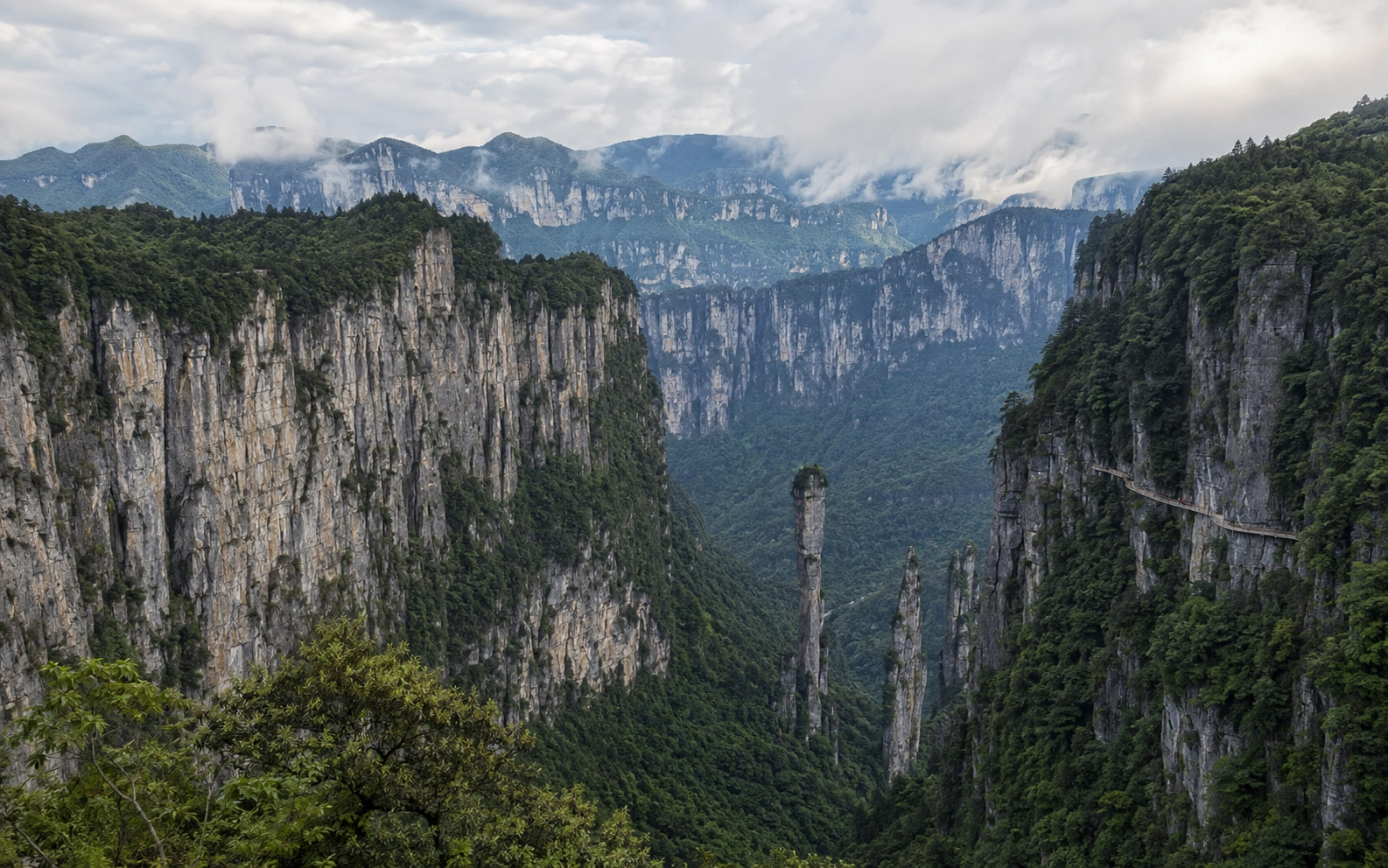
Spend a full day across Yunlong Ground Fissure and Qixingzhai, including cliffside paths and the iconic pillar landscape.
Route at a glance
The journey moves west from Wuhan through Yichang, climbs into Shennongjia, then follows gorge country toward Wushan and Enshi.
Begin with Wuhan breakfast culture, East Lake, Hubu Alley, Yellow Crane Tower and a ferry crossing on the Yangtze before turning west.
Day by day
Open any day for the detailed flow. The route builds gradually from Wuhan into Shennongjia, then follows the river and karst landscapes west.
Arrive in Wuhan and check in. If timing allows, explore Jianghan Road for snacks and local shops, spend time on the Hankou riverfront, or walk through Lihuangpi Road for historic architecture and Hankou food.
Begin with Wuhan's breakfast tradition, including hot dry noodles and egg wine. Continue to East Lake before moving through Hubu Alley toward the Yangtze and Yellow Crane Tower.
Later, cross the river by ferry for broad views of Wuhan's two-river cityscape. An evening Zhiyin Hao experience can be added if desired.
Wuhan · Yangtze riverfrontTravel to Yichang and visit the Three Gorges Dam before continuing along the mountain road toward Muyu Town, the gateway settlement for the Shennongjia chapter.
Visit Shennong Altar for the cultural story associated with Shennong and the origins of agriculture, then continue into Shennongding for highland meadows, fir forests, mountain peaks and ecological interpretation.
In the evening, continue toward Pingqian near Dajiuhu for the next morning's wetland visit.
Explore Dajiuhu National Wetland Park in the morning, with its high-mountain lakes, wetland scenery and bird habitat.
Continue to the Shennong Stream tracker-culture corridor for a traditional small-boat experience and stories linked to the Three Gorges, then reach Wuxiakou viewpoint toward sunset for a wide view over Wu Gorge.
Take a boat through the Wushan Lesser Three Gorges, travelling along green water between the steep landscapes of Longmen, Bawu and Dicui gorges.
Later, explore Wushan at your own pace and try local specialties such as Wushan grilled fish.
Visit Baidicheng for its river setting, classical poetry associations and Three Kingdoms stories. Continue to Suobuya Stone Forest and walk among the ancient Ordovician karst formations before travelling onward toward Enshi Grand Canyon.
Spend the day exploring Enshi Grand Canyon across Yunlong Ground Fissure and Qixingzhai. Walk through deep karst scenery, cliffside pathways and the route's signature pillar formations.
In the evening, continue into Enshi city and, if desired, explore local Tujia food such as shuaiwanjiu and cured pork dishes.
Journey character
This route combines city sightseeing with mountain roads, boats, highland environments, wetland paths and a full day in Enshi Grand Canyon.
Multiple destination changes and full scenic days make this one of the more energetic routes in the collection.
Expect regular walking, steps, boardwalks and varied terrain, especially in Shennongjia and Enshi.
The smaller format makes it easier to adjust scenic stops, walking rhythm and daily timing.
Accommodation is shaped around comfort, location and the sequence of mountain and river destinations.
Journey arrangements
The itinerary already contains substantial destination movement and scheduled sightseeing across western Hubei. Your personalized proposal will confirm the exact service list for your dates and group.
Make it yours
Use the eight-day route as a backbone, then adjust the balance between highland nature, gorge scenery, walking intensity and river experiences.
Add more time around forest walks, highland viewpoints or the Dajiuhu wetland landscapes.
Add another night around Wushan if you want more time for river views and a less compressed western route.
Build the daily timing around morning mist, sunset viewpoints and longer landscape stops.
Walking time, scenic transport and daily pacing can be adapted around your group's mobility and comfort.
Already have another China route in mind?
Use this journey as inspiration or start from scratch in Plan My Trip.
Your western Hubei journey
Share your dates, group size, preferred activity level, accommodation preferences and the landscapes that matter most. The planning team will use the complete picture as the starting point for your personalized proposal.